
Menu
Difference Between BPT and Other Paramedical Courses
The healthcare industry offers many career options for students who want to work in the medical field without becoming a doctor. Among these options, Bachelor of Physiotherapy (BPT) and other paramedical courses are highly popular. Many students searching for the best paramedical courses after 12th often wonder which course suits them better.
Understanding the difference between BPT and other paramedical courses can help students make the right academic and career decision.
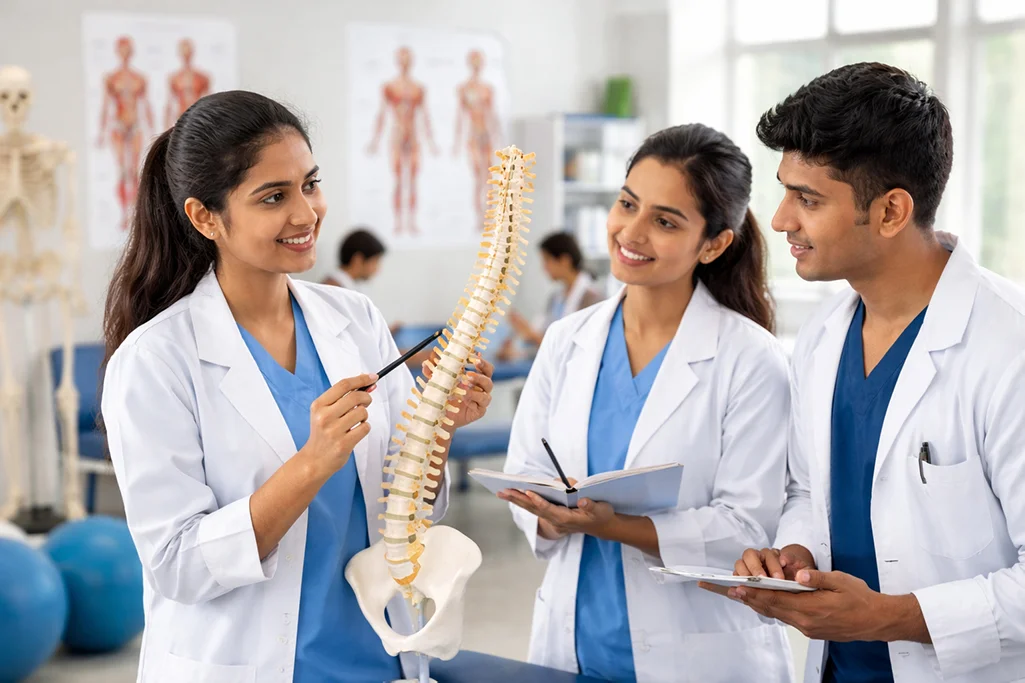
What is BPT (Bachelor of Physiotherapy)?
Bachelor of Physiotherapy (BPT) is a professional undergraduate program focused on treating physical injuries, disabilities, and movement disorders through therapeutic exercises, manual therapy, and rehabilitation techniques.
The course usually lasts 4.5 years including internship and trains students to help patients recover from injuries, surgeries, neurological conditions, and sports-related problems.
Key subjects in a BPT course include:
Human Anatomy
Physiology
Biomechanics
Exercise Therapy
Electrotherapy
Orthopedic Physiotherapy
Neurological Physiotherapy
After completing the physiotherapy course, graduates can work in hospitals, rehabilitation centers, sports clinics, or start their own physiotherapy practice.
What Are Paramedical Courses?
Paramedical courses are healthcare programs that train students to assist doctors and medical professionals in diagnosis, treatment, and patient care.
Some popular paramedical courses after 12th include:
Medical Laboratory Technology (MLT)
Radiology and Imaging Technology
Operation Theatre Technology
Dialysis Technology
Emergency Medical Technology
These programs focus mainly on medical testing, diagnosis, and technical healthcare support.
Key Differences Between BPT and Other Paramedical Courses
1. Nature of Work
The biggest difference between BPT and paramedical courses lies in the type of work.
BPT graduates focus on rehabilitation and physical therapy to restore movement and reduce pain.
Paramedical professionals support doctors through diagnostic tests, lab work, and medical equipment operation.
In simple terms, physiotherapists treat patients through therapy, while paramedical staff assist in diagnosis and medical procedures.
2. Course Duration
Another important factor when comparing physiotherapy vs paramedical courses is course length.
BPT Course Duration: 4.5 years (including internship)
Most Paramedical Courses: 2 to 4 years depending on specialization
Because physiotherapy involves deep clinical training, the course duration is usually longer.
3. Career Opportunities
Both BPT and paramedical courses offer good career opportunities in the healthcare sector.
Career options after BPT:
Physiotherapist in hospitals
Sports physiotherapist
Rehabilitation specialist
Physiotherapy clinic owner
Lecturer or researcher
Career options after paramedical courses:
Lab technician
Radiology technician
Dialysis technician
Operation theatre technician
Emergency medical technician
Students interested in patient rehabilitation and therapy often choose BPT, while those interested in medical technology and diagnostics prefer paramedical fields.
4. Patient Interaction
In a physiotherapy career, professionals work directly with patients for therapy sessions, exercise training, and recovery programs.
On the other hand, paramedical professionals usually work behind the scenes in laboratories, imaging centers, or operation theatres with limited patient interaction.
5. Salary and Growth
Both fields offer stable career growth in the healthcare sector.
BPT Salary in India: Entry-level physiotherapists earn around ₹2.5–₹5 lakh per year depending on experience and workplace.
Paramedical Salary: Technicians may earn ₹2–₹4 lakh per year initially.
However, physiotherapists often have the advantage of starting private clinics or independent practice, which can increase earning potential.

Which Course Should You Choose?
Choosing between BPT and other paramedical courses depends on your interests and career goals.
You may consider BPT if you:
Enjoy working directly with patients
Are interested in rehabilitation and physical therapy
Want to build a long-term healthcare career
You may consider paramedical courses if you:
Prefer technical medical work
Are interested in diagnostics and laboratory technology
Want a shorter course duration
Both options are valuable and play an important role in modern healthcare systems.
Understanding the difference between BPT and other paramedical courses helps students choose a career that matches their interests and skills. While Bachelor of Physiotherapy focuses on rehabilitation and physical therapy, paramedical courses mainly support medical diagnosis and treatment.
With the growing demand for healthcare professionals, both physiotherapy and paramedical careers offer excellent opportunities in hospitals, clinics, and specialized medical centers.
Choosing a physiotherapy course in 2025 and beyond is not just about job security—it’s about being part of a global movement that values health, mobility, and quality of life. If you’re someone who wants a science-based career that offers purpose, progress, and plenty of possibilities, physiotherapy is the smart step forward.
About Us
Christian College, Bangalore is one of the top colleges in Bangalore
Contact us
- Mob: +91 9845 044 494
- +91 6364 71 5544
- +91 6364 81 5544
- admission@christiancollegebangalore.org
- Web:www.christiancollegebangalore.org
Copyright © 2026 All rights reserved.