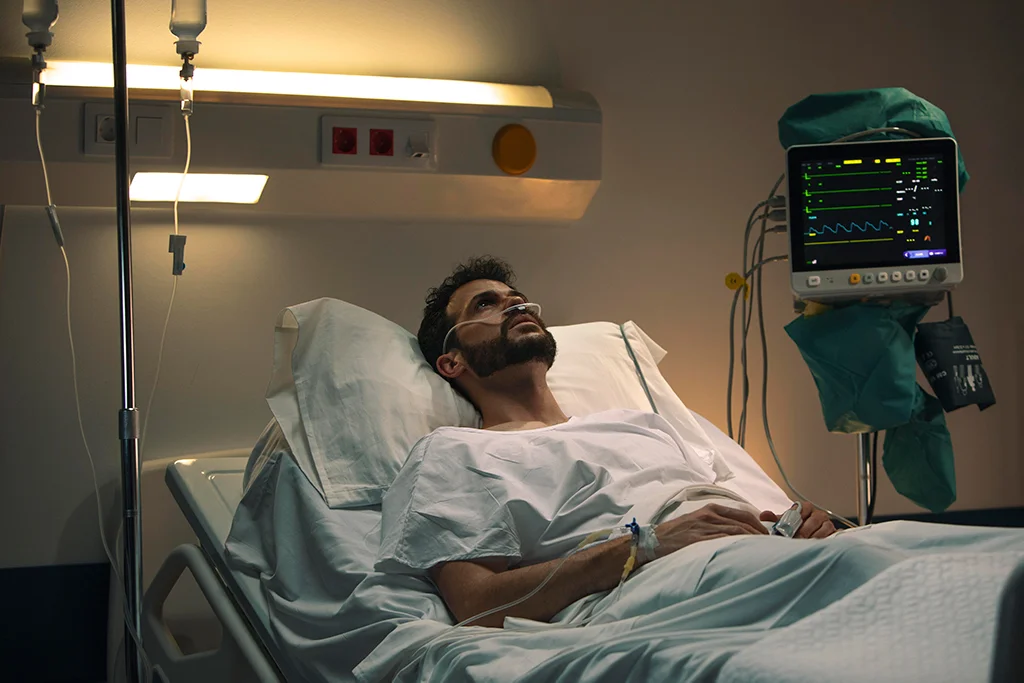
Day to Day Life: Cardiac Care Technologist
If you choose cardiac care, expect your training and later your job to revolve around the heart’s rhythm and blood flow.
Typical tasks include:
- Recording and interpreting ECGs
- Assisting cardiologists during cath lab procedures like angiography and angioplasty
- Operating echocardiography and stress test equipment
- Monitoring patients in cardiac ICUs after surgery
- Supporting pacemaker implantation and follow up checks
The pace here tends to be procedure driven. You work in short, focused bursts. A cath lab case might run 30 minutes or 3 hours. Then you move to the next patient.
Cardiac technologists usually work closely with a small, specialised team. It suits students who like precision work and are comfortable in a controlled, equipment heavy environment like a cath lab or operation theatre.
Career Paths and Growth After Graduation
Both degrees open several doors, not just one job title. Here is what graduates typically move into.
After BSc Cardiac Care Technology:
- Cardiac Technologist / Cardiovascular Technologist
- Cath Lab Technician
- ECG Technician
- Echocardiography Technician
- Cardiac ICU Technician
- Further study options include MSc in Cardiac Care Technology or specialisation in cardiovascular perfusion
After BSc Respiratory Care Technology:
- Respiratory Therapist
- Pulmonary Function Technician
- Sleep Lab Technologist (Polysomnography)
- Critical Care / ICU Technologist
- Neonatal and Pediatric Respiratory Specialist
- Further study options include MSc in Respiratory Therapy or critical care specialisation
Salary ranges for both fields in India typically start around INR 2 to 4 lakh per year for freshers and can rise to INR 15 to 20 lakh per year with experience, specialisation, or a move into research, teaching, or hospital administration. Actual figures depend heavily on the hospital, city, and years of hands on experience, so treat these as a general range rather than a guarantee.
Neither course locks you into one narrow job. Many graduates from both fields also move into medical device sales, clinical research, hospital operations, or teaching roles at paramedical colleges after gaining a few years of clinical experience.
Quick Self Check: Which One Fits You Better
Ask yourself these questions honestly.
Choose Cardiac Care Technology if:
- You are drawn to precise, hands on procedures
- You like the idea of working in a cath lab or operation theatre
- You want shorter, more defined shifts around specific procedures
- You are fascinated by how the heart’s electrical system works
Choose Respiratory Care Technology if:
- You are comfortable with longer ICU shifts and ongoing patient monitoring
- You want to be part of emergency and critical care response
- You are interested in how air pollution and lifestyle diseases affect the body
- You don’t mind managing equipment like ventilators over extended periods
There is no wrong answer here. Both are respected, well paying allied health careers with strong long term demand across Indian hospitals.
Making Your Final Decision
If you are still unsure, try this. Spend a day shadowing or reading detailed accounts from professionals in both roles. Talk to a cardiac technologist and a respiratory therapist if you can find one. Ask what a real Tuesday looks like for them, not the textbook description.
The right choice usually becomes clear once you picture yourself actually doing the daily work rather than just reading the job title.
If cardiac procedures and the heart’s rhythm interest you more, you can learn about the structure, eligibility, and curriculum of the BSc Cardiac Care Technology program at Christian College Bangalore.
If ICU work and breathing support feel like a better fit, take a look at the BSc Respiratory Care Technology program at Christian College Bangalore for course details and admission information.
Either path puts you on the front line of two of India’s biggest and fastest growing health challenges. Choose the one that matches how you actually want to spend your working day and the rest tends to fall into place.